Best Historical Destinations For Culture Loving Travelers Worldwide
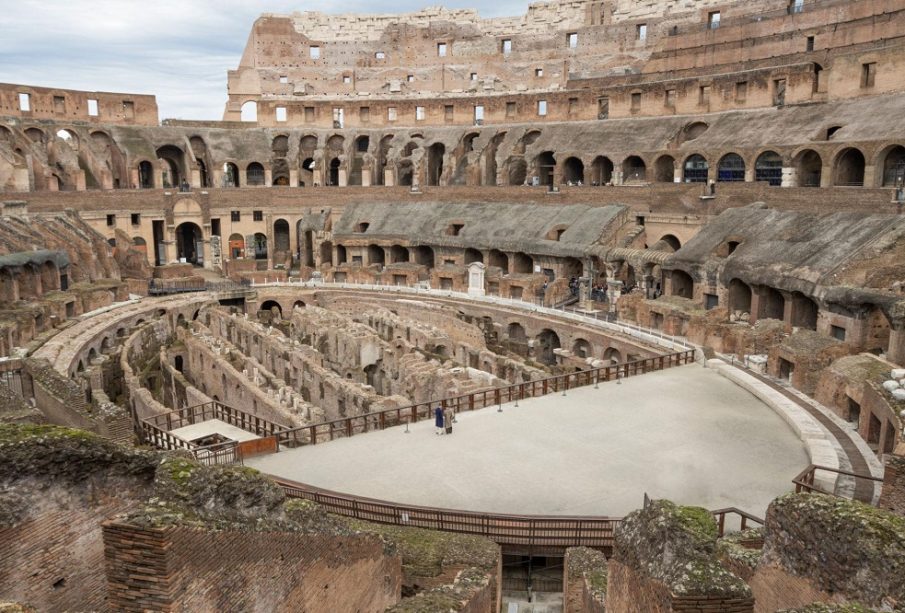
Culture loving travelers often seek destinations where history is not only preserved in museums but woven into everyday life. Across the world, cities and regions offer remarkable opportunities to explore ancient architecture, heritage traditions, archaeological landmarks, and living cultural practices that have shaped civilizations for centuries.
Historical travel provides deeper insight into how societies evolved, how art and belief systems developed, and how global connections formed across time. Visiting culturally significant destinations allows travelers to experience stories that textbooks alone cannot fully convey.
This guide explores some of the most rewarding historical destinations worldwide for travelers interested in heritage, architecture, and cultural depth.
Rome Italy A Living Museum Of Ancient Civilization
Rome stands among the most historically significant cities in the world. As the center of the Roman Empire and later an important religious capital, it preserves layers of history spanning more than two thousand years.
Travelers exploring Rome can experience:
- Ancient Roman engineering achievements
- Renaissance art and architecture
- Early Christian landmarks
- Medieval urban heritage districts
Important historical highlights include the Colosseum, Roman Forum, Pantheon, and Vatican City. Each site reflects different periods that shaped European and global civilization.
Walking through Rome allows visitors to move across centuries within a single day.
Athens Greece The Birthplace Of Western Philosophy And Democracy
Athens holds a central place in the cultural history of Western civilization. It is known for its contributions to philosophy, political systems, architecture, and theatre.
Key experiences in Athens include:
- Exploring the Acropolis and Parthenon
- Visiting the Ancient Agora
- Viewing classical sculptures in museums
- Walking historic neighborhoods beneath ancient hills
Athens offers travelers a direct connection to the intellectual foundations that influenced modern governance and education systems.
Its historical atmosphere remains visible throughout the city landscape.
Cairo Egypt Gateway To Ancient Wonders
Cairo provides access to some of the most iconic archaeological sites in human history. Ancient Egyptian civilization continues to fascinate travelers interested in early engineering, religion, and art.
Cultural travelers visiting Cairo can explore:
- The Pyramids of Giza
- The Great Sphinx
- The Egyptian Museum collections
- Historic Islamic Cairo districts
These landmarks reflect thousands of years of cultural development across multiple dynasties and empires.
Cairo remains one of the most important destinations for understanding ancient African and Middle Eastern history.
Kyoto Japan Preserving Traditional Heritage And Spiritual Culture
Kyoto represents one of the best preserved historical cities in East Asia. For centuries, it served as Japan’s imperial capital and cultural center.
Visitors interested in heritage experiences can explore:
- Traditional wooden temples
- Shinto shrines
- Historic tea houses
- Classical garden landscapes
Kyoto offers insight into Japan’s spiritual traditions and artistic practices that continue to influence modern culture.
Seasonal festivals and historic neighborhoods make Kyoto especially appealing for culture focused travelers.
Istanbul Türkiye A Bridge Between Continents And Empires
Istanbul stands at the crossroads of Europe and Asia and reflects the influence of multiple empires including Byzantine and Ottoman civilizations.
Cultural travelers visiting Istanbul can experience:
- Hagia Sophia architecture
- The Blue Mosque
- Topkapi Palace heritage
- Historic Grand Bazaar marketplaces
Few cities in the world display such visible cultural layering across centuries of political and religious transformation.
Istanbul provides one of the richest historical experiences connecting East and West.
Machu Picchu Peru A Remarkable Inca Achievement
Machu Picchu remains one of South America’s most important archaeological landmarks. Located high in the Andes Mountains, this Inca site demonstrates advanced engineering and urban planning techniques.
Travelers visiting Machu Picchu gain insight into:
- Inca agricultural systems
- Sacred ceremonial spaces
- Mountain settlement planning
- Indigenous cultural traditions
Its remote location enhances the sense of discovery and historical significance.
Machu Picchu continues to inspire interest in pre colonial American civilizations.
Petra Jordan A Desert City Carved Into Stone
Petra represents one of the most visually striking archaeological destinations in the world. Built by the Nabataean civilization, the city features monumental structures carved directly into sandstone cliffs.
Visitors to Petra can explore:
- The Treasury façade
- Ancient water management systems
- Rock carved tomb complexes
- Desert trade route history
Petra highlights the role of ancient trade networks connecting Arabia, Africa, and the Mediterranean world.
Its dramatic landscape adds to its cultural significance.
Cusco Peru A Gateway To Inca And Colonial Heritage
Cusco served as the capital of the Inca Empire and later became an important colonial administrative center during Spanish rule.
Cultural travelers visiting Cusco can experience:
- Inca stone architecture
- Colonial churches
- Historic plazas
- Indigenous cultural traditions still practiced today
Cusco offers a layered historical experience that reflects both pre colonial and colonial influences.
Its location also makes it an ideal starting point for exploring the Sacred Valley region.
Jerusalem Israel A Center Of Religious And Cultural History
Jerusalem holds profound significance for multiple world religions and represents one of the oldest continuously inhabited cities on Earth.
Travelers interested in cultural history can explore:
- The Western Wall
- The Dome of the Rock
- The Church of the Holy Sepulchre
- Ancient Old City districts
Jerusalem’s historical depth reflects thousands of years of religious and political transformation.
Its cultural importance continues to shape global history today.
Why Historical Travel Enhances Cultural Understanding
Historical destinations provide more than visual landmarks. They offer insight into how civilizations interacted, traded, governed, and expressed identity through architecture and art.
Cultural travelers benefit from:
- Exposure to global heritage traditions
- Understanding historical conflicts and cooperation
- Appreciation for artistic achievements
- Recognition of cultural continuity across generations
These experiences deepen awareness of shared human history and strengthen global perspective.
Travel becomes more meaningful when it connects people with historical context.
Planning A Cultural Travel Experience Effectively
Travelers interested in historical destinations can improve their experience through thoughtful preparation.
Helpful planning strategies include:
- Researching historical timelines before visiting sites
- Choosing knowledgeable local guides
- Visiting museums alongside monuments
- Exploring traditional neighborhoods beyond major landmarks
Preparation allows travelers to engage more deeply with each destination.
Understanding historical background enriches every cultural experience.
Frequently Asked Questions
1. What is the best season to visit historical destinations worldwide
The ideal season depends on the region, but spring and fall often provide comfortable weather and fewer crowds at major heritage sites.
2. Are guided historical tours better than independent exploration
Guided tours provide valuable context and interpretation, while independent exploration allows flexibility. Combining both approaches often works best.
3. How can travelers respect cultural heritage sites during visits
Travelers should follow local rules, avoid touching fragile structures, and respect religious practices when visiting sacred locations.
4. Do historical destinations require advance booking for entry
Many popular archaeological sites and museums recommend advance reservations, especially during peak travel seasons.
5. Are historical destinations suitable for family travel experiences
Yes. Many heritage locations offer educational opportunities that help children understand world history through direct observation.
6. How important are museums when visiting historical cities
Museums provide essential background information that helps visitors interpret monuments and archaeological remains more accurately.
7. Can cultural festivals enhance historical travel experiences
Yes. Festivals often reflect traditional practices and provide deeper insight into local heritage beyond architectural landmarks.