Role Of Automation In Modern Industrial Productivity
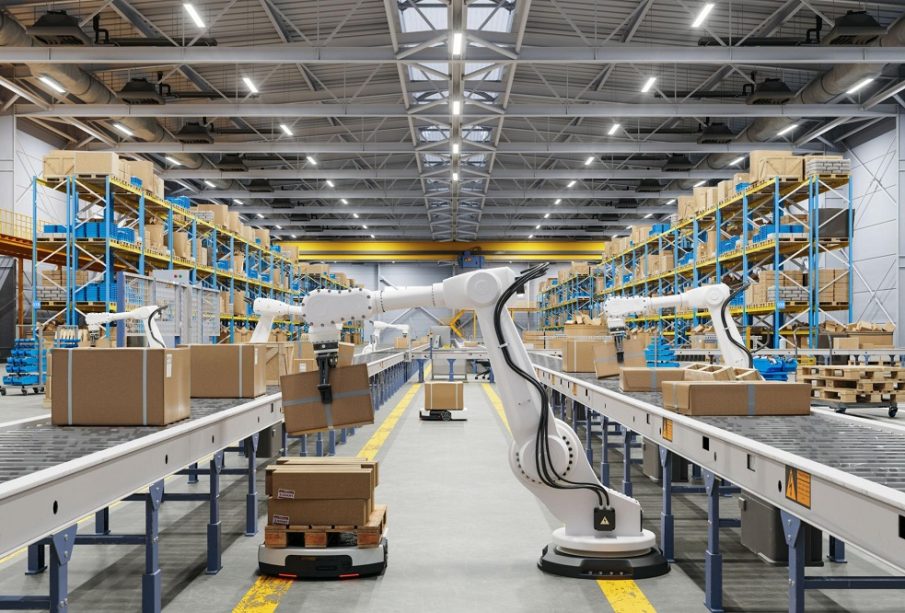
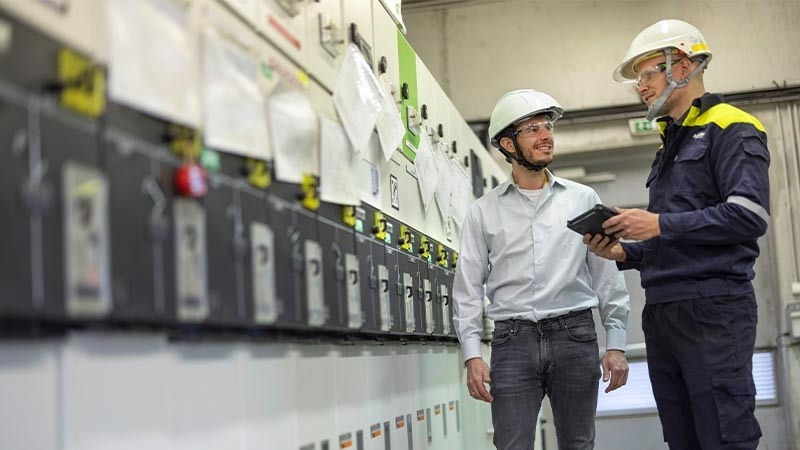
Automation has become a defining force behind modern industrial productivity. Across manufacturing, logistics, energy, and processing industries, automated systems are transforming how organizations operate, compete, and grow. Instead of relying solely on manual labor and traditional workflows, industries now integrate robotics, intelligent sensors, and advanced control systems to improve efficiency and reliability.
Modern automation improves production speed, reduces operational costs, enhances product quality, and strengthens workplace safety. It also supports industries in adapting to rapidly changing market demands while maintaining consistent performance standards.
This article explores how automation contributes to industrial productivity and explains why it continues to shape the future of global manufacturing and operations.
Understanding Industrial Automation In Modern Work Environments
Industrial automation refers to the use of machines, software systems, and digital technologies to perform tasks with minimal human intervention. These systems monitor production processes, control equipment operations, and optimize workflows across manufacturing environments.
Automation systems commonly include:
- Robotics for repetitive production tasks
- Programmable logic controllers for equipment control
- Sensors for real time monitoring
- Artificial intelligence for predictive decision making
- Industrial internet connectivity platforms
Together, these technologies help organizations operate more efficiently and consistently.
Automation enables industries to scale operations while maintaining quality and safety standards.
Increasing Production Speed And Output Capacity
One of the most immediate benefits of automation is improved production speed. Automated machines operate continuously with minimal interruptions, allowing industries to increase output without proportionally increasing labor requirements.
Automation improves production capacity through:
- Continuous operation without fatigue related delays
- Reduced downtime between production stages
- Faster material handling systems
- Improved workflow coordination
These advantages enable companies to respond quickly to changing customer demand.
Higher output capacity strengthens competitiveness in global markets.
Enhancing Product Quality And Consistency
Automation improves manufacturing precision by reducing human error in repetitive tasks. Machines perform programmed operations consistently, ensuring uniform product quality across production cycles.
Quality improvements supported by automation include:
- Accurate measurement and calibration
- Consistent assembly performance
- Reduced variation in finished products
- Real time defect detection systems
Consistent product quality strengthens customer confidence and supports brand reputation.
Automation also reduces waste caused by production errors.
Improving Workplace Safety Conditions
Industrial environments often involve heavy machinery, hazardous materials, and physically demanding tasks. Automation helps reduce exposure to these risks by allowing machines to perform dangerous operations.
Safety benefits of automation include:
- Reduced manual handling of heavy equipment
- Limited worker exposure to hazardous environments
- Improved monitoring of equipment performance
- Faster response to safety incidents through sensors
Safer workplaces support employee wellbeing and reduce operational disruptions caused by accidents.
Improved safety performance also helps organizations meet regulatory requirements.
Supporting Data Driven Decision Making
Modern automation systems generate valuable operational data that supports better decision making. Real time monitoring allows managers to evaluate performance and identify improvement opportunities quickly.
Data driven automation enables organizations to:
- Monitor production efficiency continuously
- Detect equipment performance issues early
- Optimize resource allocation strategies
- Improve inventory management accuracy
Access to reliable data improves planning and reduces uncertainty in industrial operations.
Data insights support long term productivity growth.
Reducing Operational Costs Over Time
Although automation systems require initial investment, they often reduce long term operating costs significantly. Efficient processes lower material waste and improve energy utilization across production environments.
Cost savings supported by automation include:
- Reduced labor related expenses
- Lower maintenance costs through predictive monitoring
- Improved material usage efficiency
- Reduced production downtime
These savings contribute to stronger profitability over time.
Automation helps organizations remain competitive in industries with tight margins.
Enabling Predictive Maintenance Strategies
Traditional maintenance approaches rely on scheduled inspections or reactive repairs after equipment failure occurs. Automation introduces predictive maintenance systems that identify potential problems before breakdowns happen.
Predictive maintenance benefits include:
- Early detection of equipment wear
- Reduced unexpected downtime
- Extended machinery lifespan
- Lower repair costs
Sensors continuously monitor vibration levels, temperature changes, and operational performance indicators.
Predictive maintenance improves production continuity and reliability.
Supporting Flexible Manufacturing Systems
Modern industries must respond quickly to changing product requirements and customer preferences. Automation supports flexible manufacturing systems that adapt to new production specifications without major operational disruptions.
Flexible automation capabilities include:
- Quick equipment reprogramming
- Modular production layouts
- Automated product changeovers
- Adaptive workflow management systems
Flexibility improves responsiveness to market demand and reduces production delays.
Industries that adopt flexible automation maintain stronger competitive positions.
Enhancing Supply Chain Coordination
Automation extends beyond factory floors into logistics and distribution operations. Automated systems improve coordination between suppliers, warehouses, and production facilities.
Examples of automation supported supply chain improvements include:
- Automated inventory tracking systems
- Smart warehouse robotics
- Real time shipment monitoring
- Integrated production scheduling tools
Improved coordination reduces delivery delays and strengthens customer satisfaction.
Efficient supply chains support consistent productivity performance.
Strengthening Energy Efficiency In Industrial Operations
Energy management plays an important role in industrial productivity. Automation systems monitor equipment usage and optimize power consumption across production facilities.
Energy efficiency improvements supported by automation include:
- Smart equipment scheduling
- Load balancing across machines
- Reduced idle energy consumption
- Monitoring of environmental conditions
Lower energy usage reduces operating costs and supports environmental sustainability goals.
Energy efficient operations contribute to long term industrial resilience.
Supporting Workforce Development And Skill Enhancement
Automation changes workforce responsibilities by shifting employees from repetitive manual tasks toward technical and supervisory roles. Workers gain opportunities to develop new skills related to system monitoring and equipment management.
Automation supports workforce development through:
- Training in digital control systems
- Experience with data analysis tools
- Opportunities in robotics maintenance
- Roles in production planning optimization
Employees working alongside automated systems contribute to improved operational performance.
Skill development strengthens long term workforce adaptability.
Improving Production Planning And Scheduling Accuracy
Automation systems integrate production planning with real time performance monitoring. This integration improves scheduling accuracy and reduces delays caused by unexpected disruptions.
Planning benefits include:
- Accurate forecasting of production timelines
- Better coordination between departments
- Improved allocation of manufacturing resources
- Faster response to order changes
Accurate scheduling supports reliable delivery performance.
Reliable planning strengthens relationships with customers and suppliers.
Supporting Global Industrial Competitiveness
Automation helps industries remain competitive in global markets where efficiency and innovation determine success. Organizations that adopt advanced technologies often achieve higher productivity levels than those relying on traditional methods.
Competitive advantages supported by automation include:
- Faster product delivery timelines
- Higher production scalability
- Reduced manufacturing costs
- Improved product customization capabilities
Global competitiveness depends on the ability to produce efficiently while maintaining quality standards.
Automation plays a central role in achieving these objectives.
Preparing Industries For Future Technological Integration
Industrial automation continues evolving as new technologies emerge. Future developments will further integrate artificial intelligence, machine learning, and advanced robotics into manufacturing systems.
Emerging automation trends include:
- Smart factory environments with interconnected equipment
- Autonomous logistics operations
- Real time digital production simulations
- Intelligent quality inspection systems
Industries that adopt automation early are better prepared to integrate future innovations successfully.
Forward thinking investment supports sustainable productivity growth.
Frequently Asked Questions
1. How does automation affect small manufacturing businesses
Small manufacturers benefit from automation through improved efficiency, reduced waste, and the ability to compete with larger production facilities.
2. Can automation be implemented gradually in industrial environments
Yes. Many organizations introduce automation step by step to manage costs and adapt workflows effectively.
3. What industries benefit most from automation technologies
Manufacturing, logistics, energy production, food processing, and pharmaceuticals are among the industries that benefit significantly from automation.
4. Does automation reduce equipment maintenance requirements
Automation supports predictive maintenance systems that help reduce unexpected breakdowns and extend equipment lifespan.
5. How does automation improve product traceability
Automated tracking systems record production data at each stage, making it easier to monitor product history and quality performance.
6. Is automation compatible with customized production processes
Modern automation systems support flexible manufacturing that adapts to different product specifications efficiently.
7. What role does employee training play in successful automation adoption
Employee training ensures workers understand how to operate automated systems effectively and contributes to improved productivity outcomes.