Importance of Inclusive Education in Diverse Classrooms
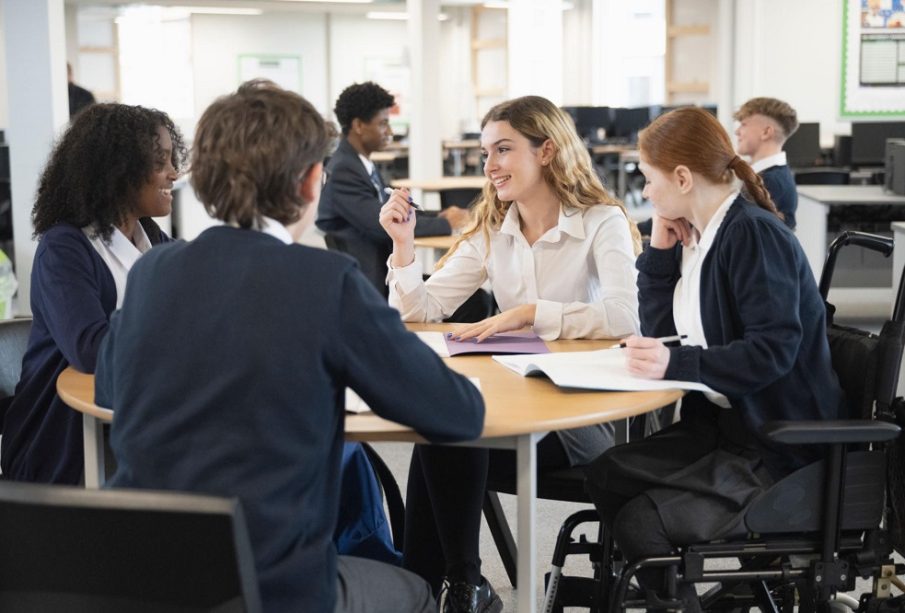
Inclusive education plays a vital role in shaping equitable and effective learning environments in modern classrooms. As schools become more culturally, linguistically, and socially diverse, educators must adapt teaching approaches that support every student regardless of background, ability, or identity. Inclusive classrooms are not only about access to education. They are about meaningful participation, respect, and equal opportunity for success.
Inclusive education strengthens both academic outcomes and social development. It encourages collaboration, empathy, and confidence while preparing students to thrive in a diverse society. Schools that embrace inclusive practices help ensure that all learners feel valued and supported throughout their educational journey.
This article explores why inclusive education matters in diverse classrooms and how it benefits students, teachers, and communities.
Understanding Inclusive Education in Modern Classrooms
Inclusive education refers to teaching practices that ensure all students learn together in shared classroom environments regardless of differences in ability, language, culture, gender identity, or socioeconomic background. It promotes equal participation and removes barriers that may limit access to learning opportunities.
Inclusive classrooms focus on:
- Respecting individual differences
- Providing flexible learning strategies
- Supporting diverse learning needs
- Encouraging collaboration among students
- Promoting fairness and equity
Rather than separating students based on ability or background, inclusive education emphasizes participation and belonging.
This approach helps students feel accepted and motivated to engage actively in learning.
Supporting Equal Learning Opportunities for All Students
One of the most important goals of inclusive education is ensuring that every student receives equal opportunities to succeed academically. Diverse classrooms often include learners with different strengths, challenges, and learning styles. Inclusive teaching strategies allow educators to respond effectively to these differences.
Examples of inclusive learning support include:
- Differentiated instruction based on student needs
- Flexible assessment methods
- Assistive learning technologies
- Collaborative group activities
- Individualized learning plans when necessary
These approaches help students overcome barriers and participate fully in classroom activities.
Equal access to learning builds confidence and strengthens long term academic performance.
Encouraging Respect for Cultural Diversity
Classrooms today often include students from multiple cultural backgrounds. Inclusive education helps learners understand and appreciate these differences rather than view them as obstacles.
Teachers can promote cultural respect by:
- Integrating diverse perspectives into lesson content
- Encouraging open discussions about cultural experiences
- Celebrating traditions from different communities
- Using inclusive teaching materials
When students learn in culturally responsive environments, they develop stronger social awareness and communication skills.
Respect for diversity prepares students for collaboration in global communities and future workplaces.
Strengthening Social Skills and Peer Relationships
Inclusive classrooms provide opportunities for students to interact with peers from different backgrounds and abilities. These interactions help build strong interpersonal skills that benefit students throughout life.
Students in inclusive environments often develop:
- Empathy toward others
- Cooperation skills
- Conflict resolution abilities
- Effective communication strategies
Learning together encourages students to support one another rather than compete unnecessarily.
Positive peer relationships create a supportive classroom climate where students feel safe expressing themselves.
Supporting Students With Different Learning Abilities
Inclusive education ensures that students with disabilities or learning challenges participate alongside their peers whenever possible. This approach promotes dignity and independence while supporting academic development.
Strategies that support learners with different abilities include:
- Accessible classroom materials
- Visual and audio learning tools
- Structured routines and guidance
- Collaborative learning partnerships
Inclusive classrooms encourage students to recognize that everyone learns differently.
This understanding reduces stigma and promotes acceptance within school communities.
Promoting Emotional Wellbeing and Confidence
Students perform better academically when they feel valued and respected in the classroom. Inclusive education supports emotional wellbeing by creating environments where all learners feel welcome.
Benefits of inclusive environments include:
- Increased self confidence
- Reduced anxiety related to exclusion
- Greater classroom participation
- Stronger motivation to learn
When students feel included, they are more willing to take academic risks and explore new ideas.
Confidence plays an important role in long term educational success.
Preparing Students for Real World Diversity
Schools serve as preparation spaces for life beyond the classroom. Inclusive education helps students develop the social awareness needed to succeed in diverse communities and workplaces.
Students who learn in inclusive environments gain experience:
- Working with people from different backgrounds
- Respecting multiple perspectives
- Solving problems collaboratively
- Communicating effectively across differences
These skills are essential in modern professional environments that value teamwork and cultural understanding.
Inclusive education helps students become responsible and respectful citizens.
Supporting Teachers in Creating Effective Learning Environments
Inclusive education benefits not only students but also teachers. Educators who adopt inclusive strategies develop stronger teaching skills and more flexible instructional approaches.
Inclusive teaching encourages educators to:
- Use varied teaching methods
- Monitor student progress more closely
- Adapt lesson plans effectively
- Encourage student participation
Teachers who work in inclusive classrooms often become more responsive to individual learning needs.
Professional growth improves classroom effectiveness and strengthens overall learning outcomes.
Encouraging Family and Community Engagement
Inclusive education strengthens relationships between schools, families, and communities. When parents feel their children are respected and supported, they are more likely to participate actively in school activities.
Schools that promote inclusion often:
- Communicate regularly with families
- Provide accessible school events
- Encourage parent involvement in decision making
- Support community partnerships
These connections create stronger educational support systems for students.
Family engagement contributes to improved attendance, motivation, and academic achievement.
Reducing Educational Inequality
Educational inequality remains a challenge in many school systems. Inclusive education helps address this issue by ensuring all students receive equal access to quality instruction and learning resources.
Inclusive practices support equity by:
- Removing barriers to participation
- Providing targeted academic support
- Promoting fairness in assessment methods
- Encouraging equal classroom participation
Reducing inequality improves both individual outcomes and overall school performance.
Equitable education strengthens communities and supports long term social development.
Enhancing Classroom Collaboration and Participation
Inclusive classrooms encourage active participation from every student. When learners feel comfortable sharing ideas, classroom discussions become richer and more meaningful.
Teachers can promote participation through:
- Group based learning activities
- Peer mentoring programs
- Interactive lesson structures
- Open communication opportunities
Collaboration increases engagement and helps students learn from one another.
Participatory classrooms support deeper understanding and stronger academic performance.
Supporting Long Term Academic Achievement
Inclusive education contributes to sustained academic progress by creating supportive environments that address individual learning needs effectively.
Students benefit from:
- Personalized learning strategies
- Continuous teacher feedback
- Cooperative learning opportunities
- Encouragement from peers
These elements improve retention of knowledge and strengthen critical thinking skills.
Long term academic success depends on both instructional quality and emotional support within classrooms.
Encouraging Inclusive Leadership in Schools
School leaders play an important role in promoting inclusive education practices. Administrators who support inclusive policies help create environments where teachers and students can succeed together.
Inclusive leadership includes:
- Providing teacher training opportunities
- Supporting accessible learning resources
- Encouraging collaborative planning
- Promoting respectful school cultures
Strong leadership ensures inclusive education becomes a consistent practice rather than a temporary initiative.
Leadership commitment strengthens long term educational improvement.
Frequently Asked Questions
1. How does inclusive education benefit students without disabilities
Students without disabilities develop empathy, teamwork skills, and broader perspectives by learning alongside peers with diverse abilities and backgrounds.
2. What role does classroom design play in inclusive education
Flexible seating arrangements, accessible learning materials, and adaptive technologies help create environments that support diverse learning needs.
3. Can inclusive education improve school attendance rates
Yes. Students who feel accepted and supported are more likely to attend school regularly and remain engaged in learning activities.
4. How do teachers manage different learning speeds in inclusive classrooms
Teachers use differentiated instruction strategies and flexible lesson pacing to support students progressing at different rates.
5. Is inclusive education effective at the secondary school level
Inclusive education benefits students at all grade levels by supporting collaboration, independence, and academic engagement.
6. How can technology support inclusive learning environments
Assistive software, interactive learning platforms, and multimedia resources help teachers adapt instruction to individual student needs.
7. What training do teachers need to implement inclusive education successfully
Professional development in differentiated instruction, classroom management strategies, and cultural responsiveness helps educators create effective inclusive classrooms.